Wellington: A City Between Land and Sea
Wellington is not a city that explains itself all at once. There is a harbour ahead, a hillside behind, and wind moving between them, keeping streets, roofs and coat hems awake. Though it is New Zealand's capital, it does not press on the body with monumental scale. Offices, theatres, homes, waterfronts and hill roads sit close together, and a short walk can change the city's tone completely.
Its history does not sit only on monuments. It follows the edge of the harbour, hides in the direction of streets and remains in the scale of timber houses, brick walls and civic buildings. Māori understandings of land and sea, the port and administrative structures of the colonial period, and the modern institutions that followed appear like layers of colour in one urban scene. The new has not rushed to cover the old; the old continues to breathe through everyday life.
I think of Wellington as prose written by wind. Roads are not merely lines and slopes are not simply obstacles to overcome; materials, signs, entrances, views and footsteps quietly arrange pauses and turns. Photography is only one way of approaching the city. What holds my attention is how Wellington stays clear, gentle and unmistakable between the constraints of nature and the layers of culture.
 A coastline shaped by wind, water and public life
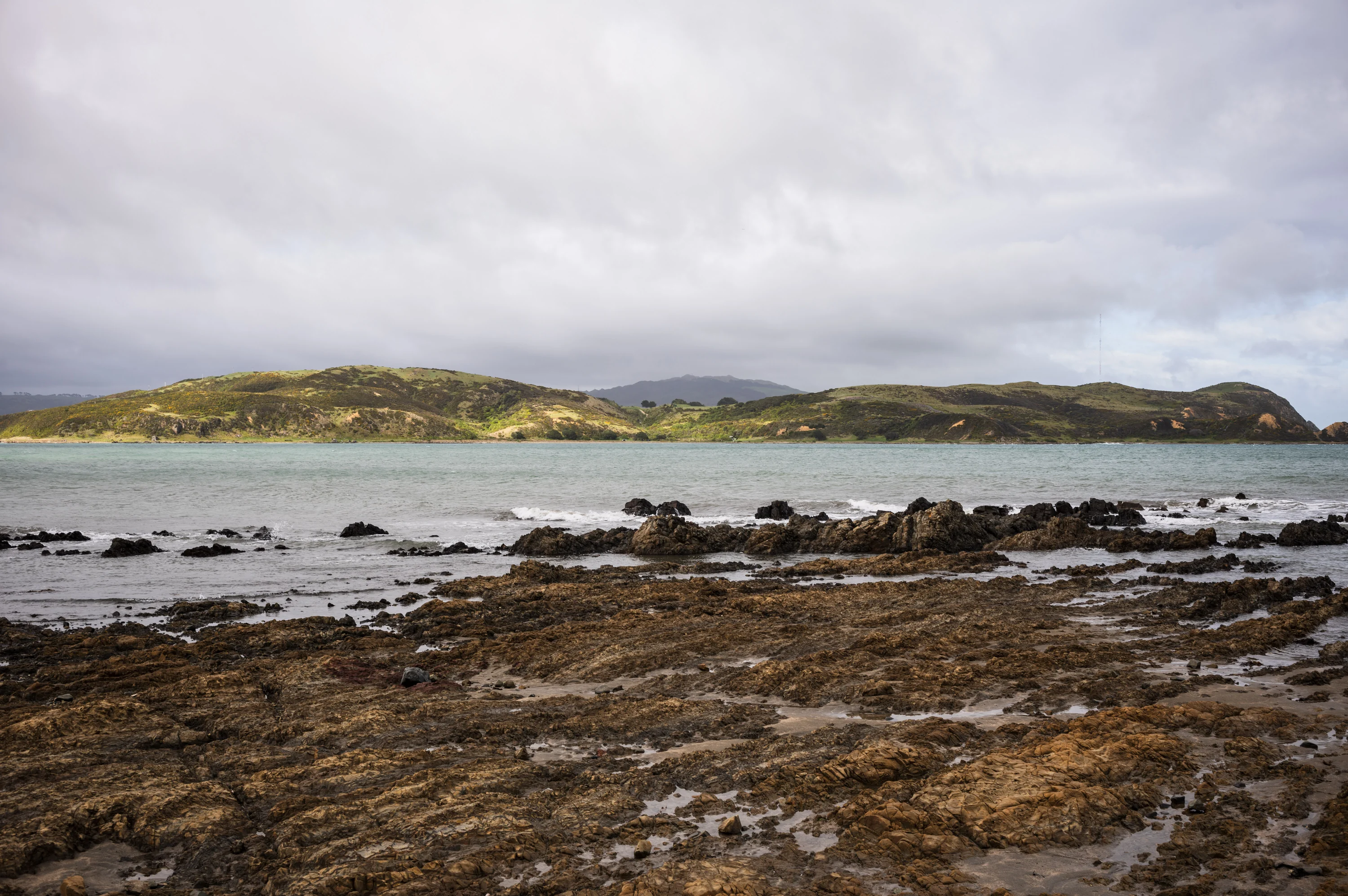
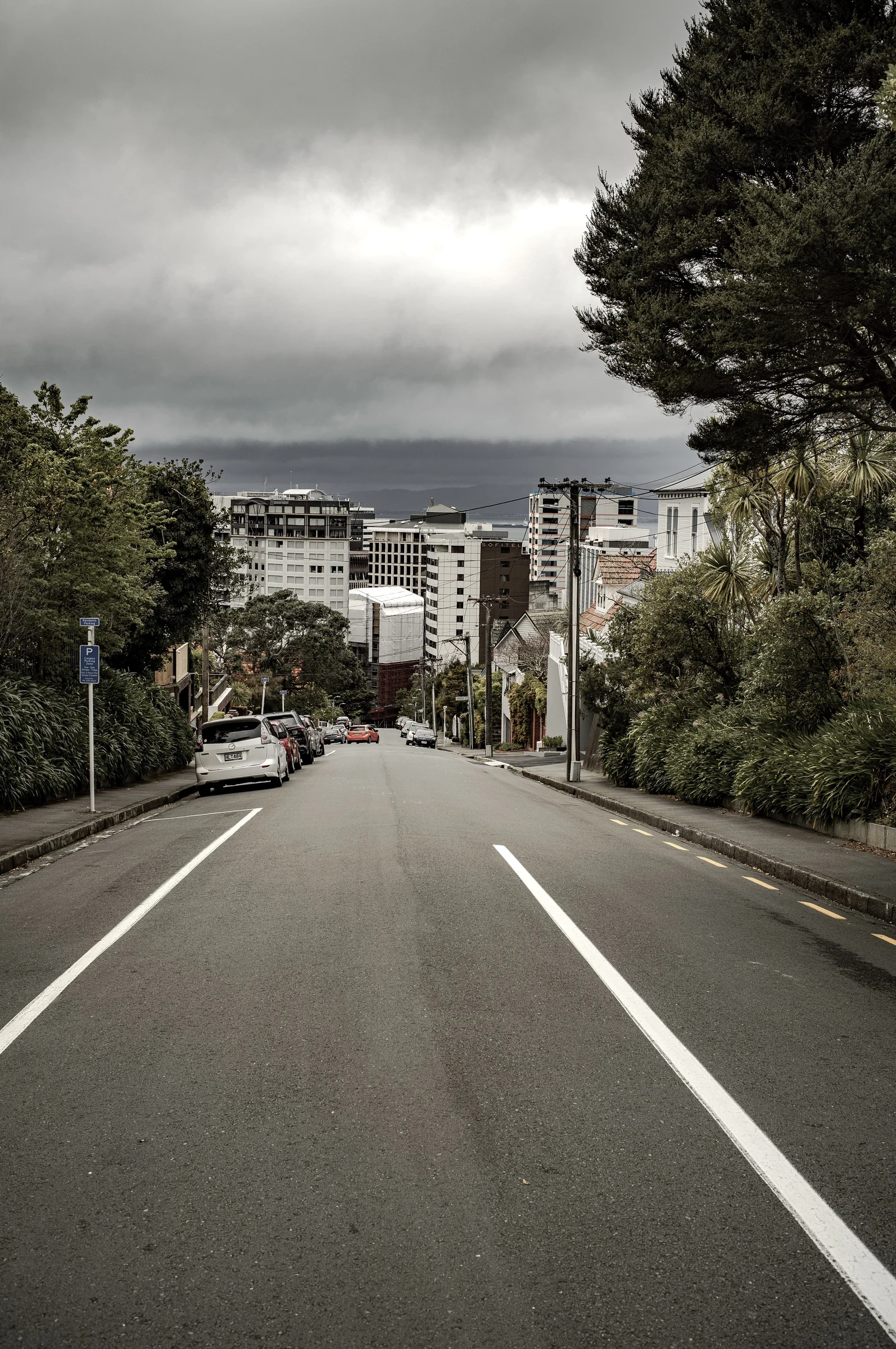
The first line of Wellington's story was written by the sea. Te Whanganui-a-Tara places a field of light before the city and has long opened a way for movement, trade and cultural exchange. The administrative centre and commercial streets that grew later did not push the water outside the city. A glimpse of the harbour can arrive at the end of a street or between two buildings, so the city keeps adjusting its breathing under the attention of hills and sea.
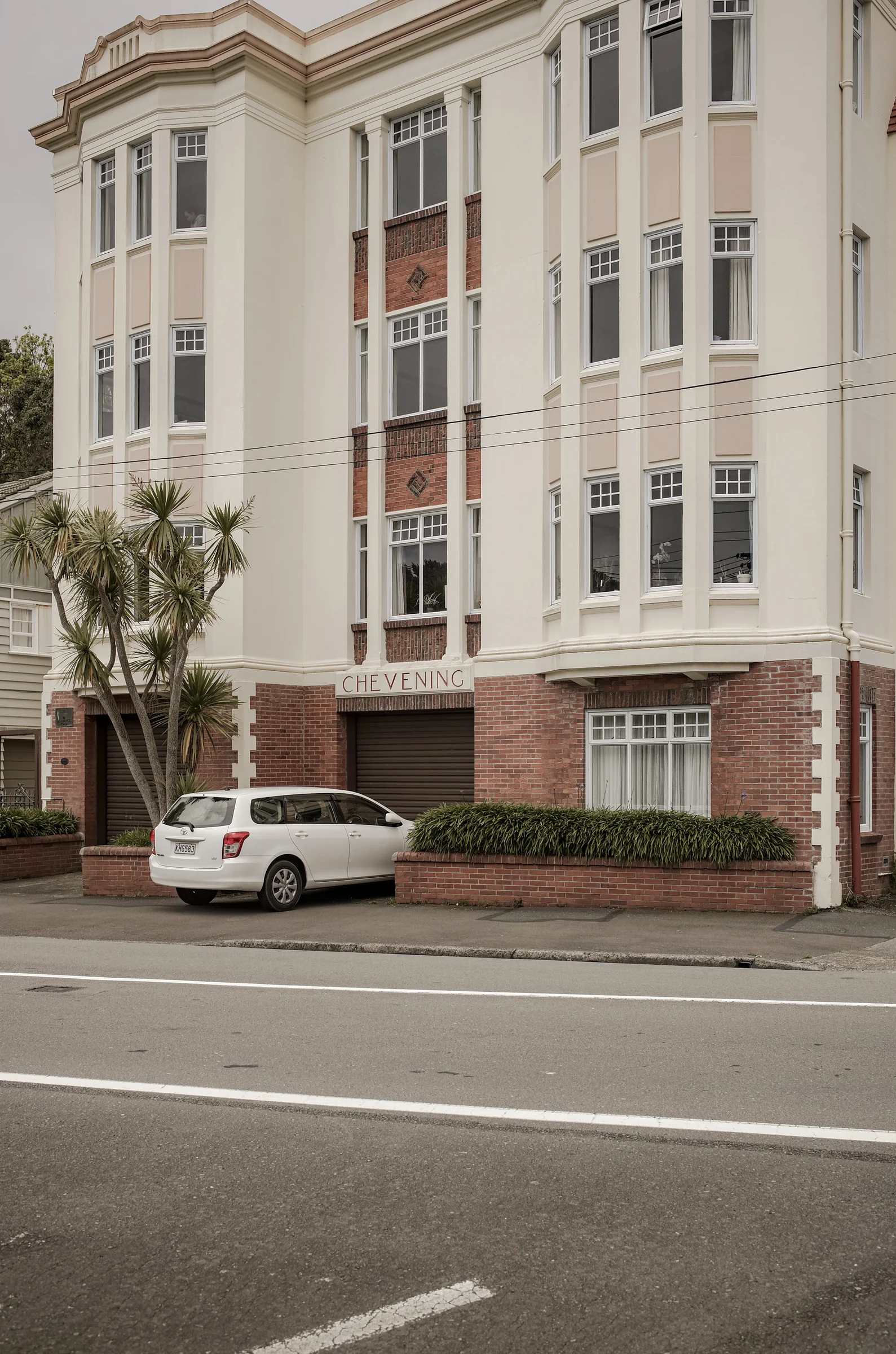
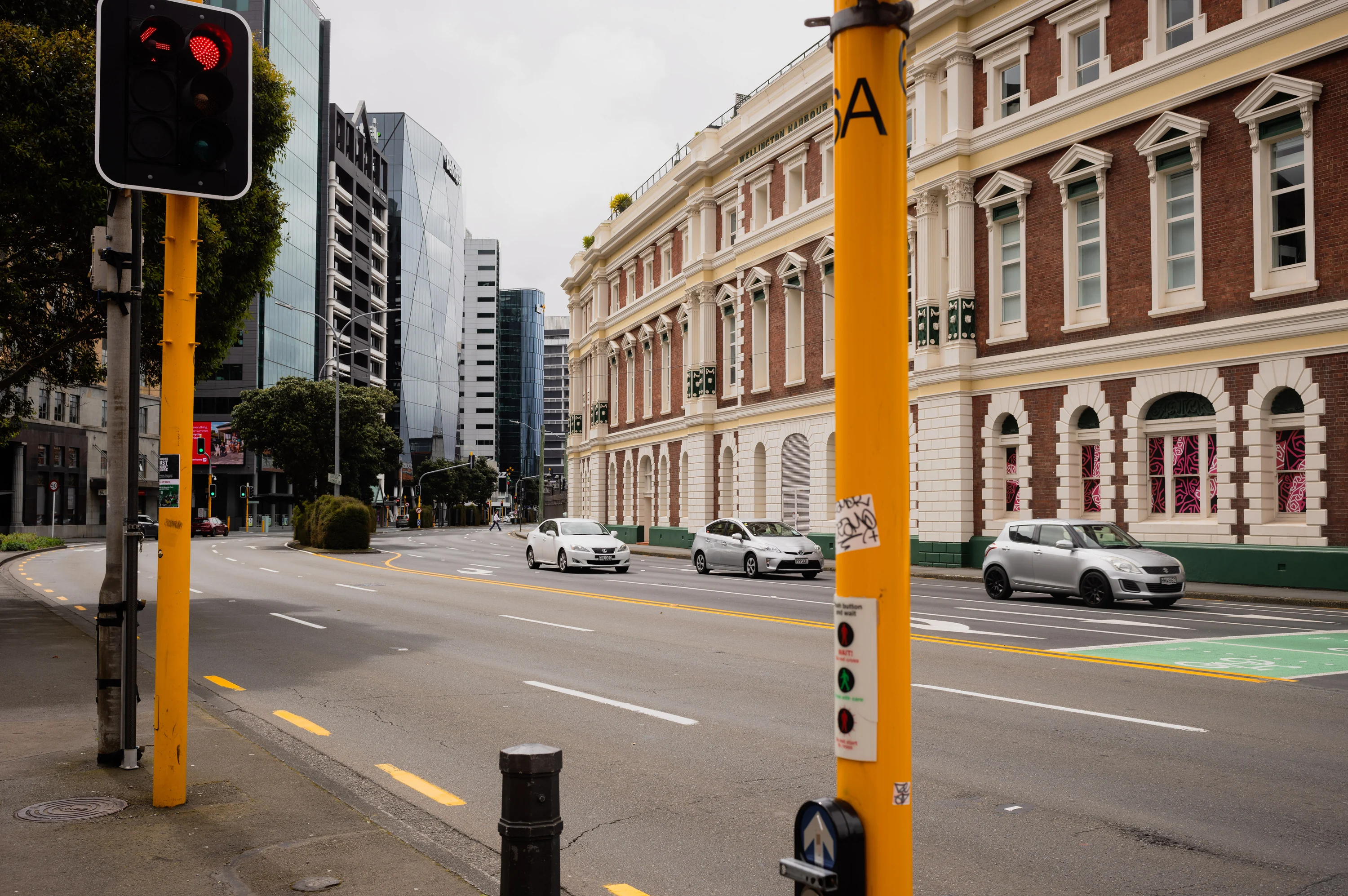
Architecture follows that breathing. Buildings rarely pursue sheer force of volume; they negotiate with steps, slopes, corners and wind. The warmth of timber, the weight of brick, the coolness of metal and clouds reflected in glass leave different tones from different periods. Civic buildings are more composed, older homes more intimate, contemporary spaces lighter. They do not wear one uniform, but windows, eaves, entrances and active ground floors allow the street to be read continuously.
Wellington does not polish history into a symbol for distant viewing. It lets history remain in use. The harbour belongs to daily life, slopes continue to change a walk, and old houses still open their doors and lights to new lives. This kind of urban identity is not a finished graphic; it is a mark left jointly by time, environment and residents. A brand also needs that room: order clear enough to hold its character, and open enough for people to leave their own warmth inside it.
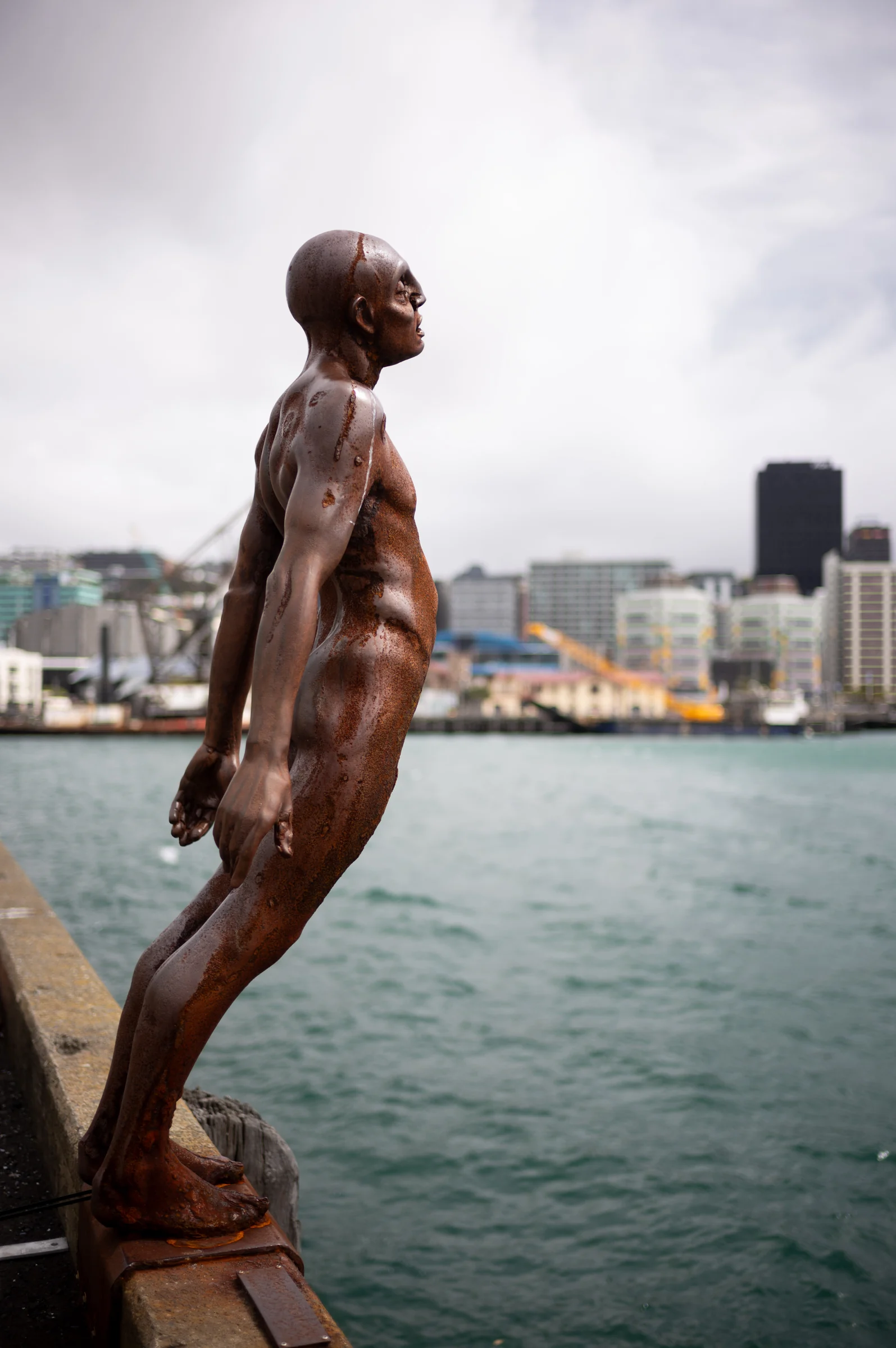
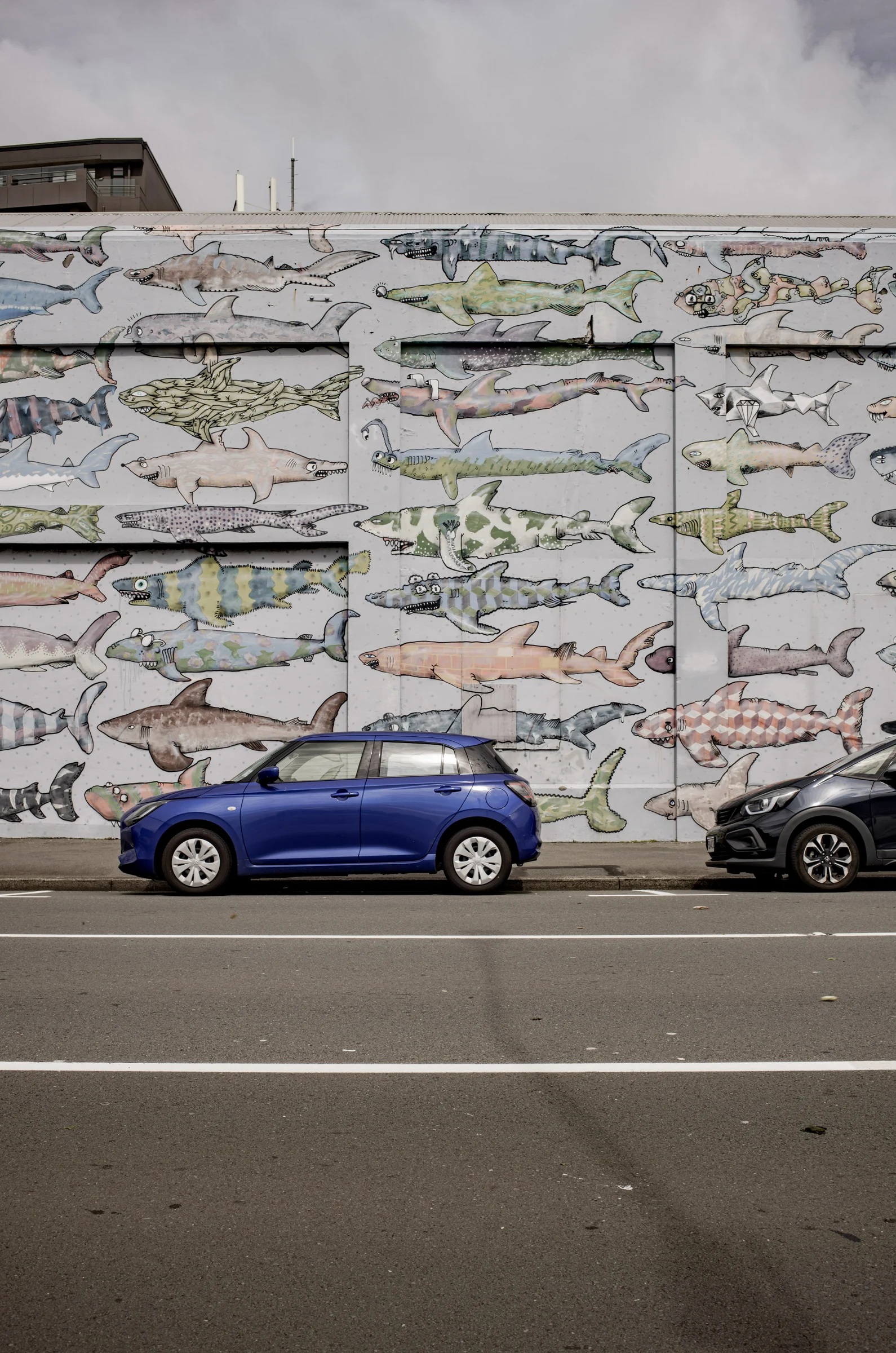
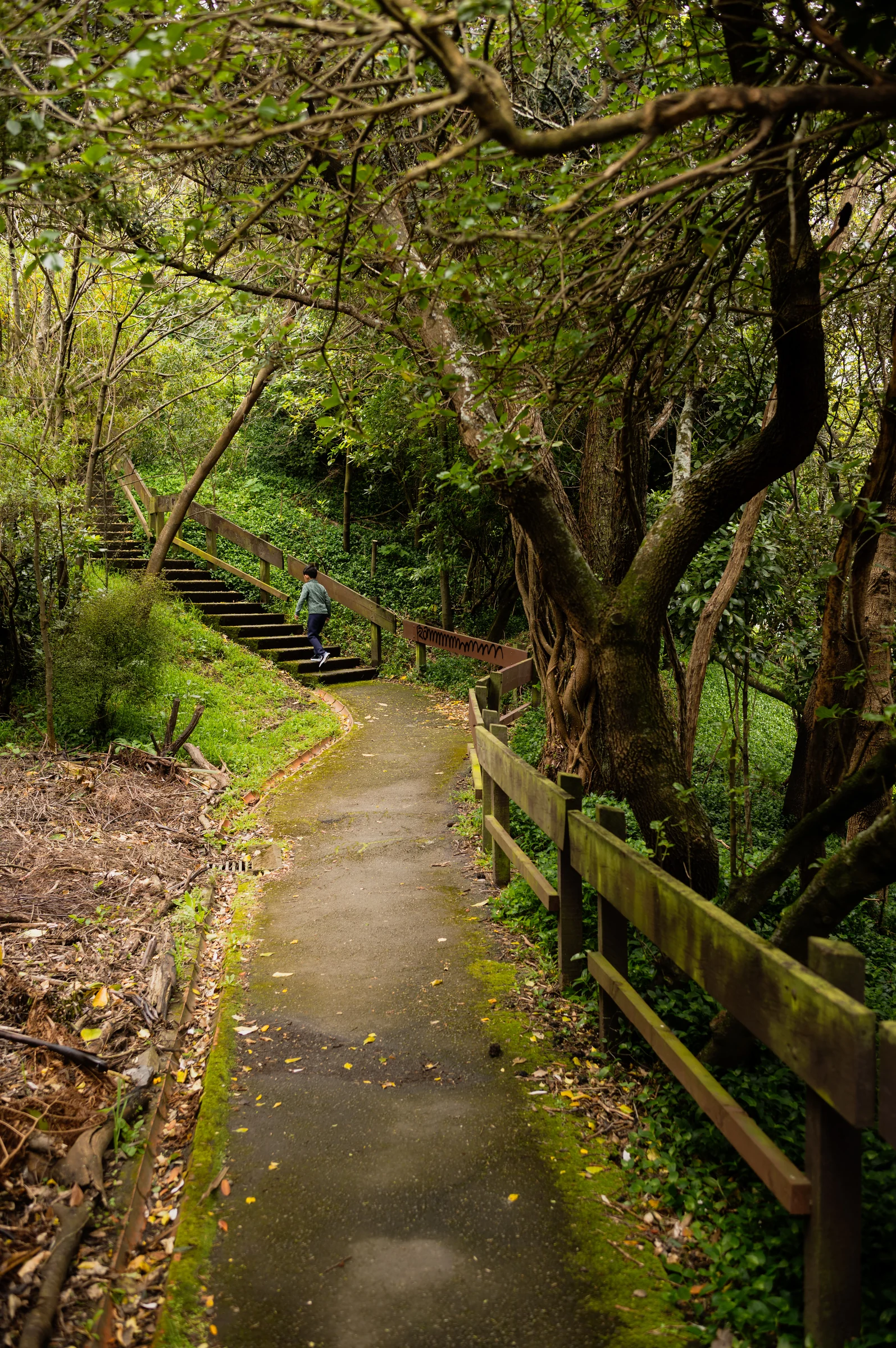
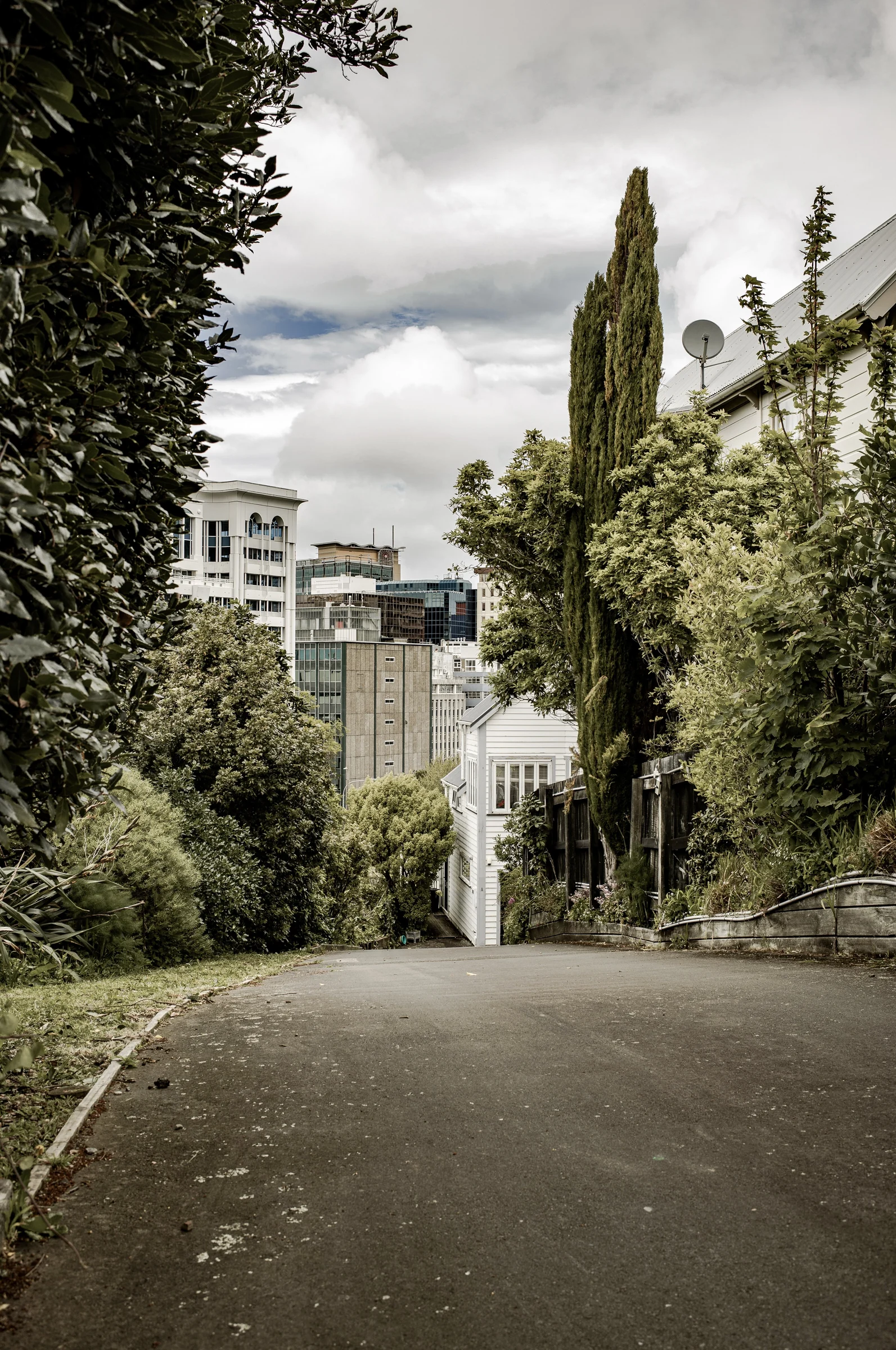
In Wellington, nature does not live outside the city. Hills lift houses, trees and roads to different heights; the harbour leaves a blank space for distant looking; and wind, an invisible architect, keeps adjusting the direction of doors, the enclosure of walls and the way people walk. New Zealand's planning culture seems to understand that land does not need to be made completely obedient. Letting terrain speak, and allowing people to pause, pass and meet, can itself be a calm form of order.
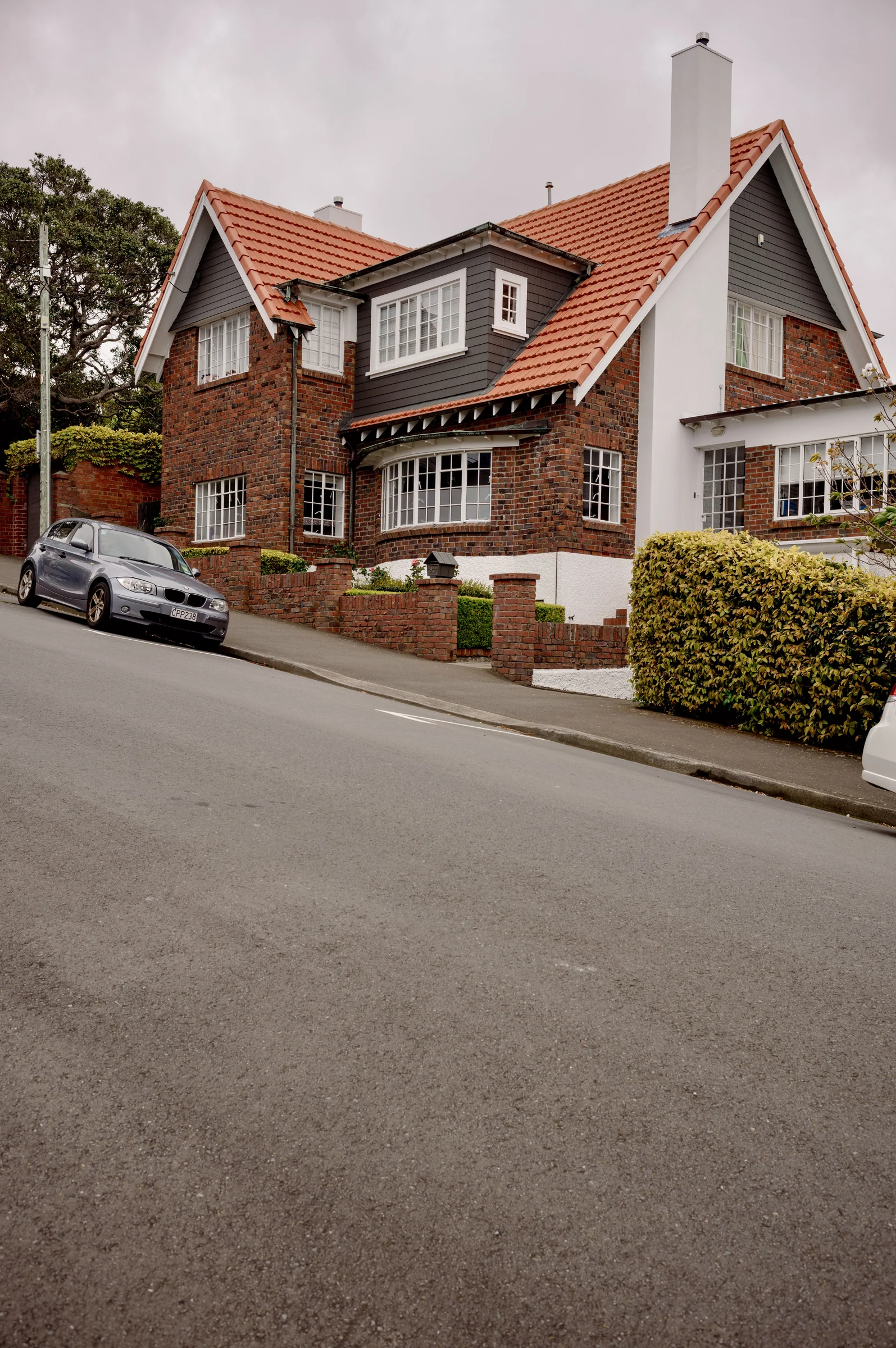
Walk slowly up a hill and the city changes again and again. A wide view of the sea becomes, after a turn, a quiet life of hedges, timber houses and old brick walls. Roofs follow the slope, balconies catch the light, and fences and steps gently separate private life from the street. The architecture is not uniform, yet each form responds to climate and terrain. Difference that is not forced into one style allows neighbourhoods to feel individual while remaining connected.
This suggests that design does not need to turn nature into a pattern or compress a place into a slogan. It can first listen to the wind, observe how light crosses a slope and understand how far a person is willing to walk before stopping. Wellington's land and sea are not a background image behind the city. They are the daily conditions of its work, and the beginning that every design has to respect.
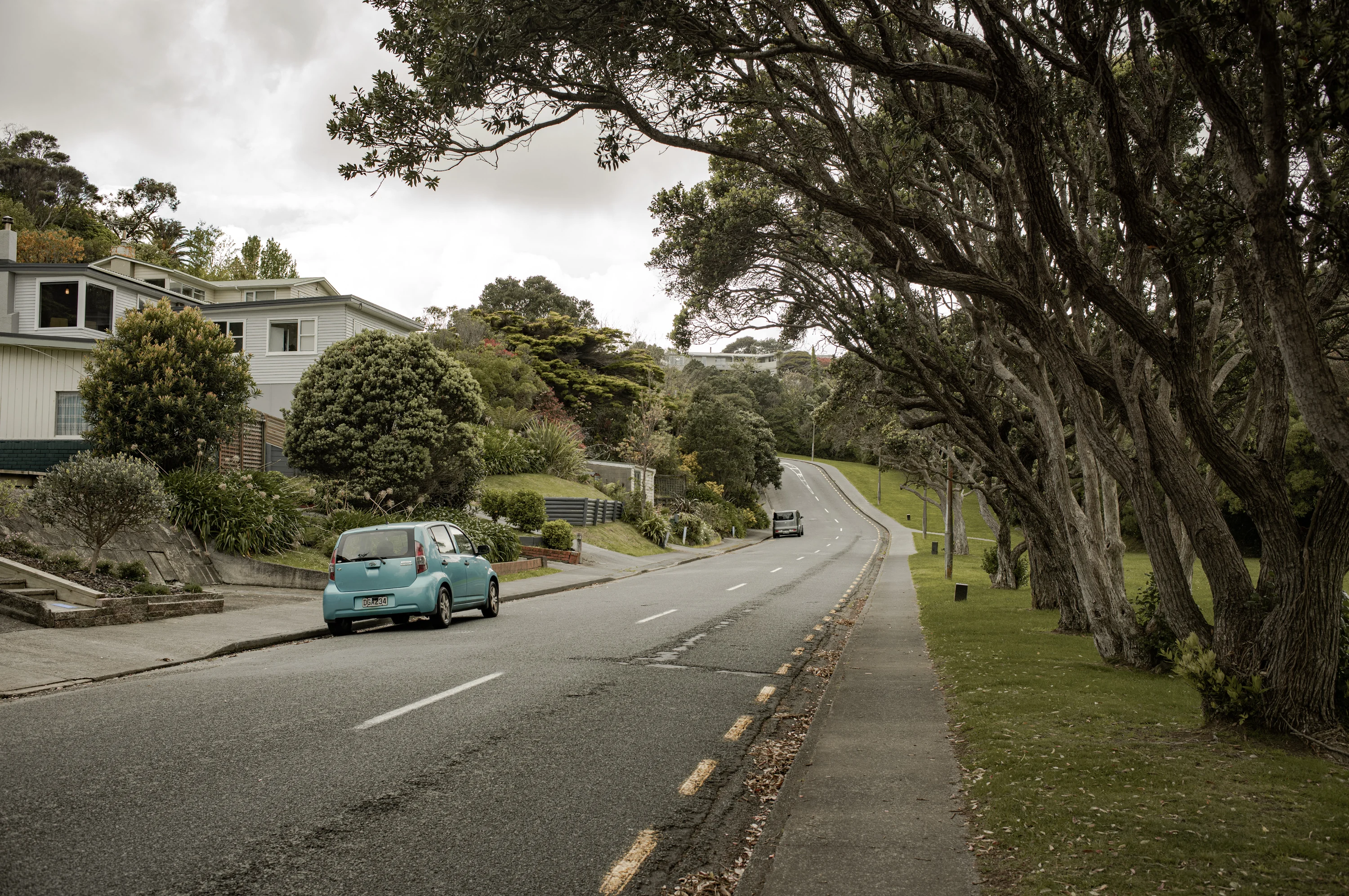 Residential scale within a city of hills
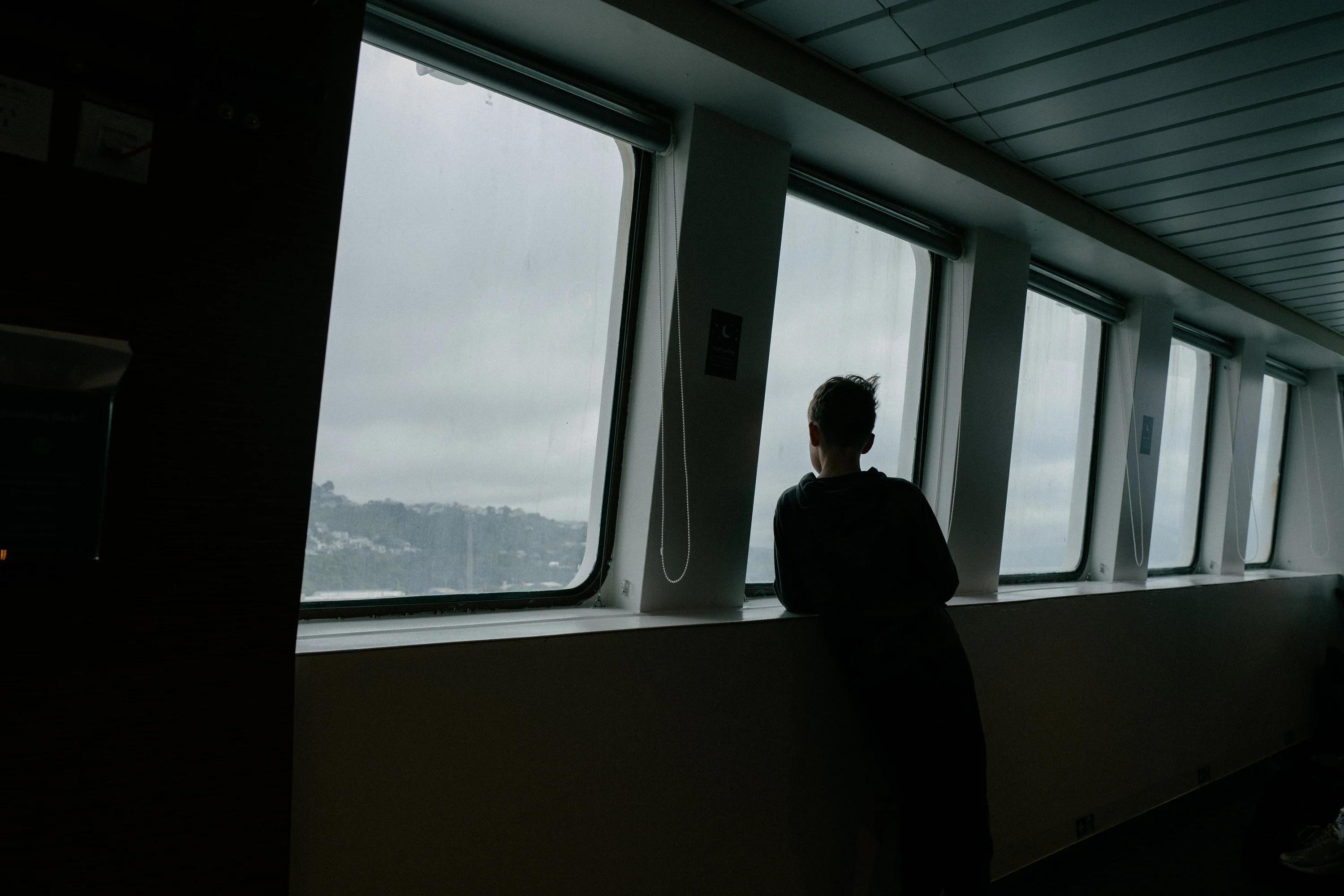
Wellington also has a quiet restraint. Monumental buildings do not occupy all public life; streets, squares, waterfronts, hill paths and cultural institutions are lightly connected into a network that can be walked and used slowly. Whether a place becomes moving does not depend only on spectacle. Someone waiting, someone hurrying through, someone leaning on a railing or watching weather arrive from the sea is enough to give public space meaning.
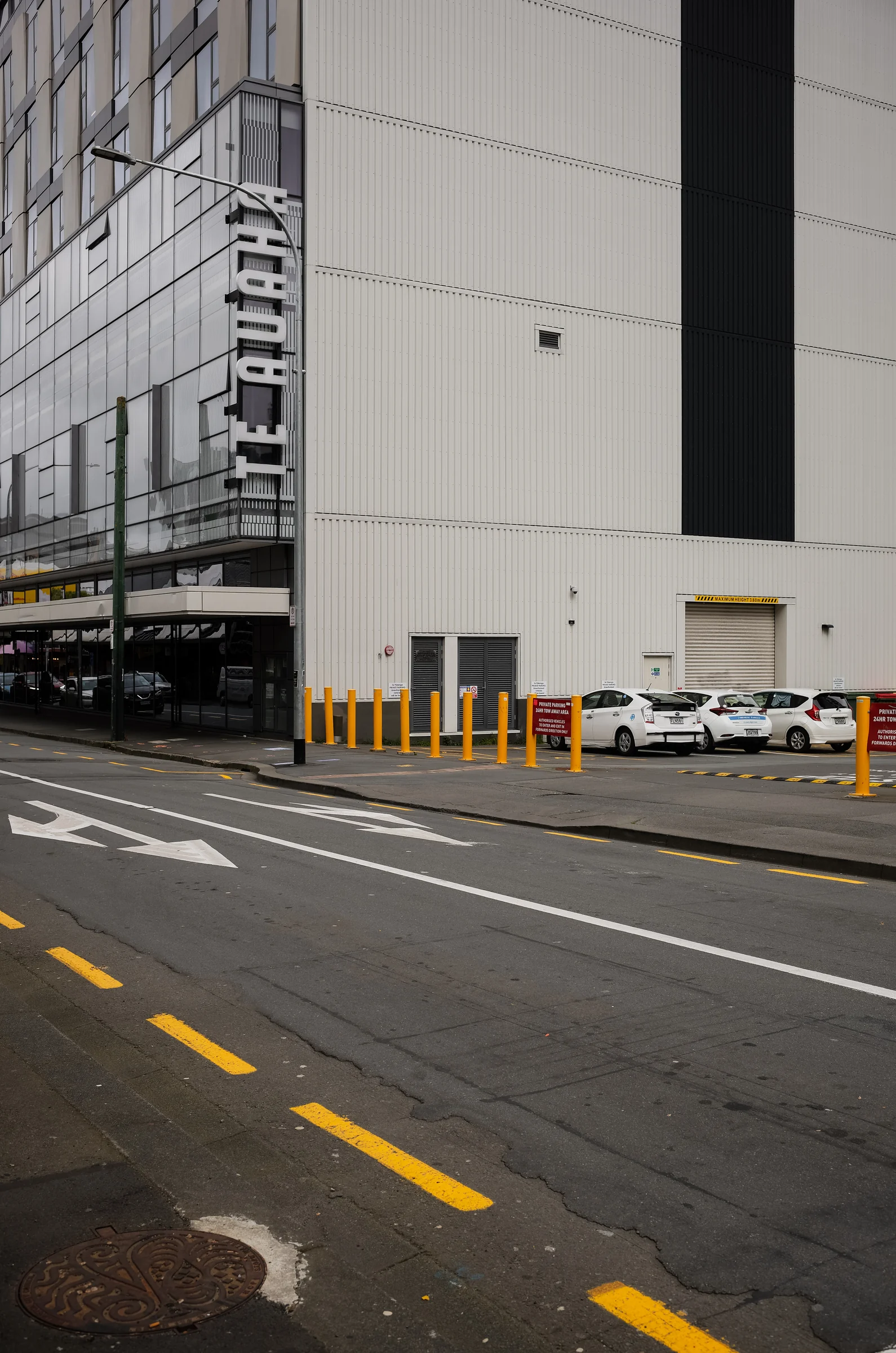
Urban order is often maintained by very small things. Signals, signs, kerb lines, wall graphics, entrances and parking edges each say only what is necessary, yet together they explain direction and measure. They do not compete to be the protagonist. They behave like quiet typography: vehicles, pedestrians, homes, trees and the distant sea are placed on one page, each with enough room and none intruding on another.
Perhaps this is the New Zealand quality I sensed. Planning does not rush to flatten difference; it allows terrain, climate and community memory to continue participating in the city. Distinction does not have to come from a single appearance. It can come from many different spaces living comfortably under the same principles. A brand works in the same way: a clear system is not a rigid grid, but a dependable measure that protects its character while allowing each situation to speak in its own voice.
Wellington's most distinctive design may not be one architectural style, but its ability to arrange relationships within limited conditions. Harbour, hills, homes, government buildings and cultural places are not cut into unrelated fragments. Footsteps, street turns and a line of sea through a window reconnect them. Urban identity is not hung high above the city; it is hidden in repeated daily experience until it becomes familiar without explanation.
It is not a flawless city. Wind can be unruly, slopes make distance difficult, and seismic risk and limited land continue to test construction and maintenance. When history meets the present, hesitation and disagreement are inevitable. Yet these limits keep Wellington from becoming an overly polished image. Materials retain their textures, streets keep unexpected turns, buildings carry their age, and nature continues to alter the city's rhythm.
When I left, I thought of urban character as something that is never completed in one act of image-making. It is more like a long sentence: planning sets the grammar, architecture, wayfinding and landscape lay out the lines, and people add the voice through daily use. Brands are similar. What makes them memorable is not only a mark or a colour, but the consistent yet warm measure of every encounter. Wellington suggests clarity without rigidity, restraint without coldness, and a window left open for time and place.
 A city identity built through everyday interfaces