
Tea Branding and Packaging Where Tradition Meets Modern Design
Junyi Tea Brand Identity and Packaging Design
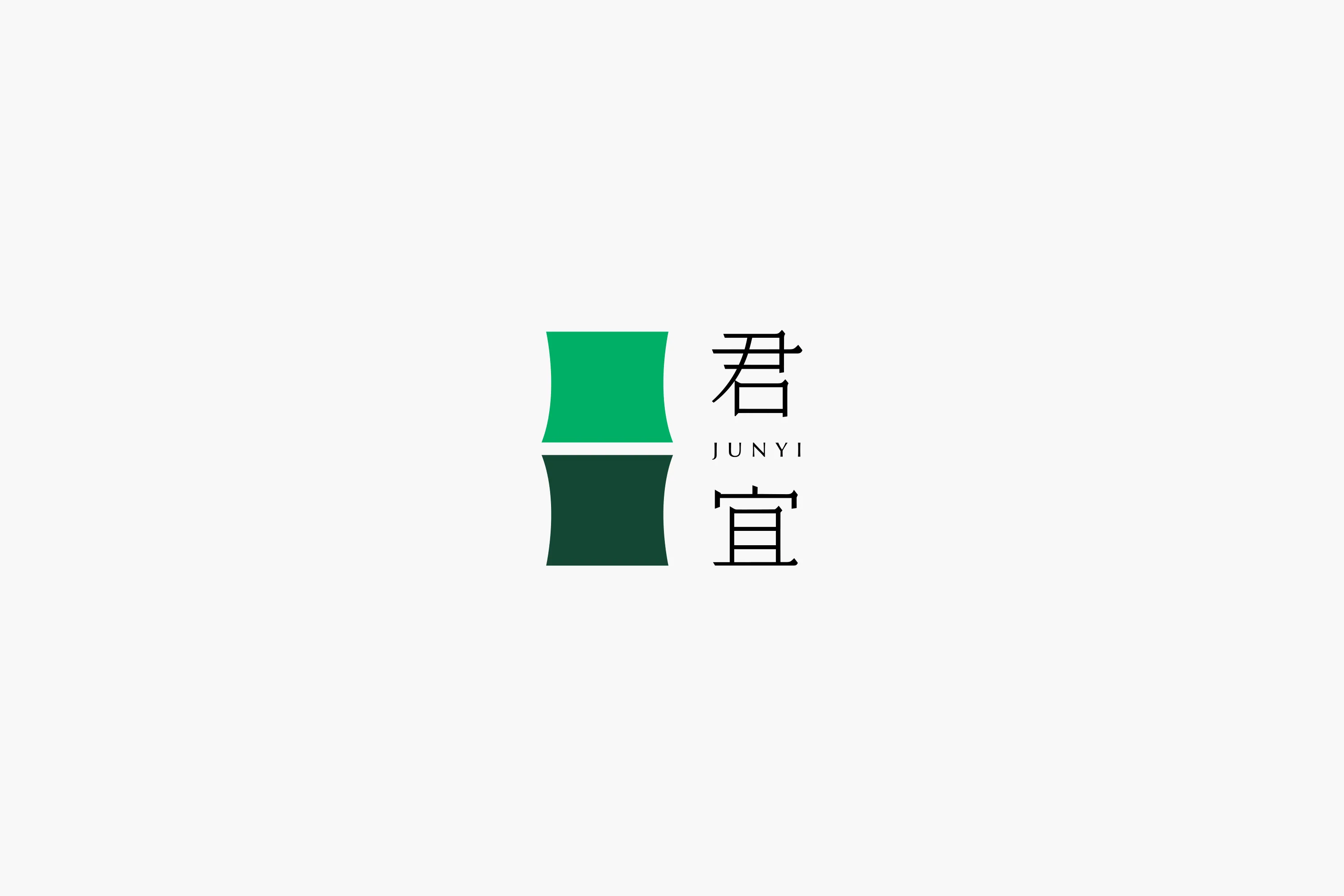
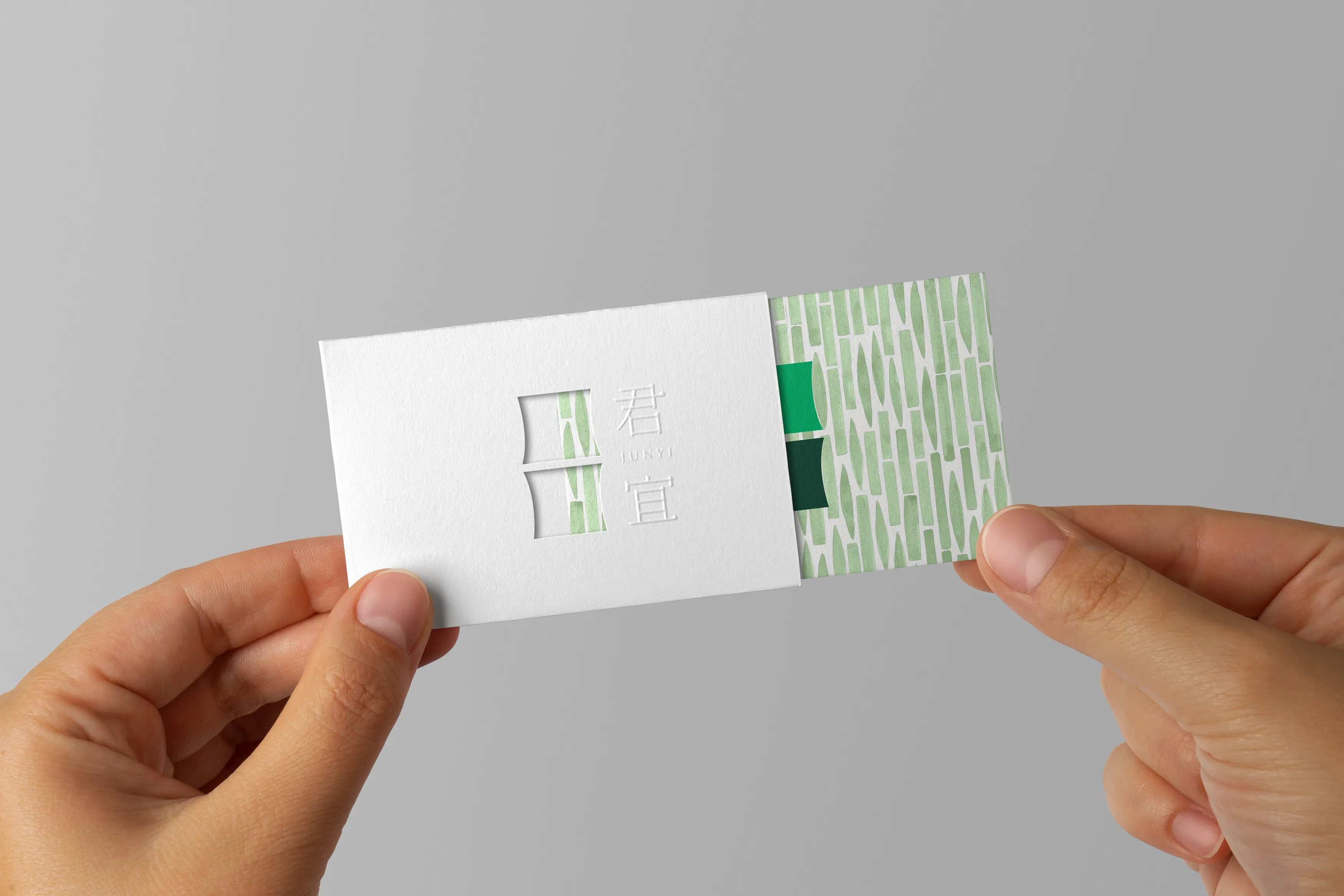
Junyi is a premium Pu’er tea brand that brings traditional Chinese tea culture into a contemporary retail context. Its philosophy, “The Way of the Gentleman, The Elegance of Nobility,” connects inner character with outward refinement. RDA translated this idea through an abstract bamboo symbol, restrained typography and a visual identity that balances cultural depth with modern clarity.
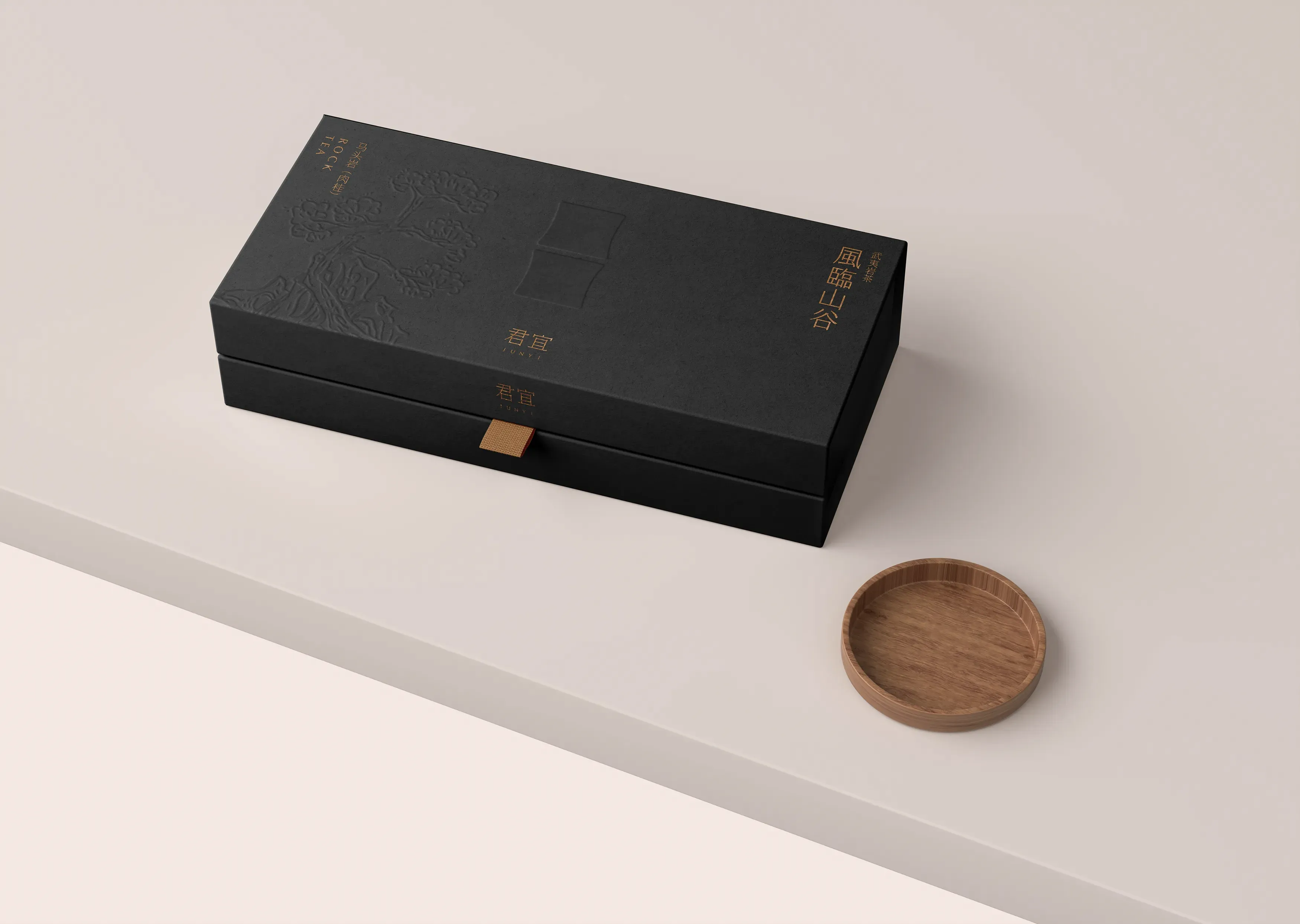
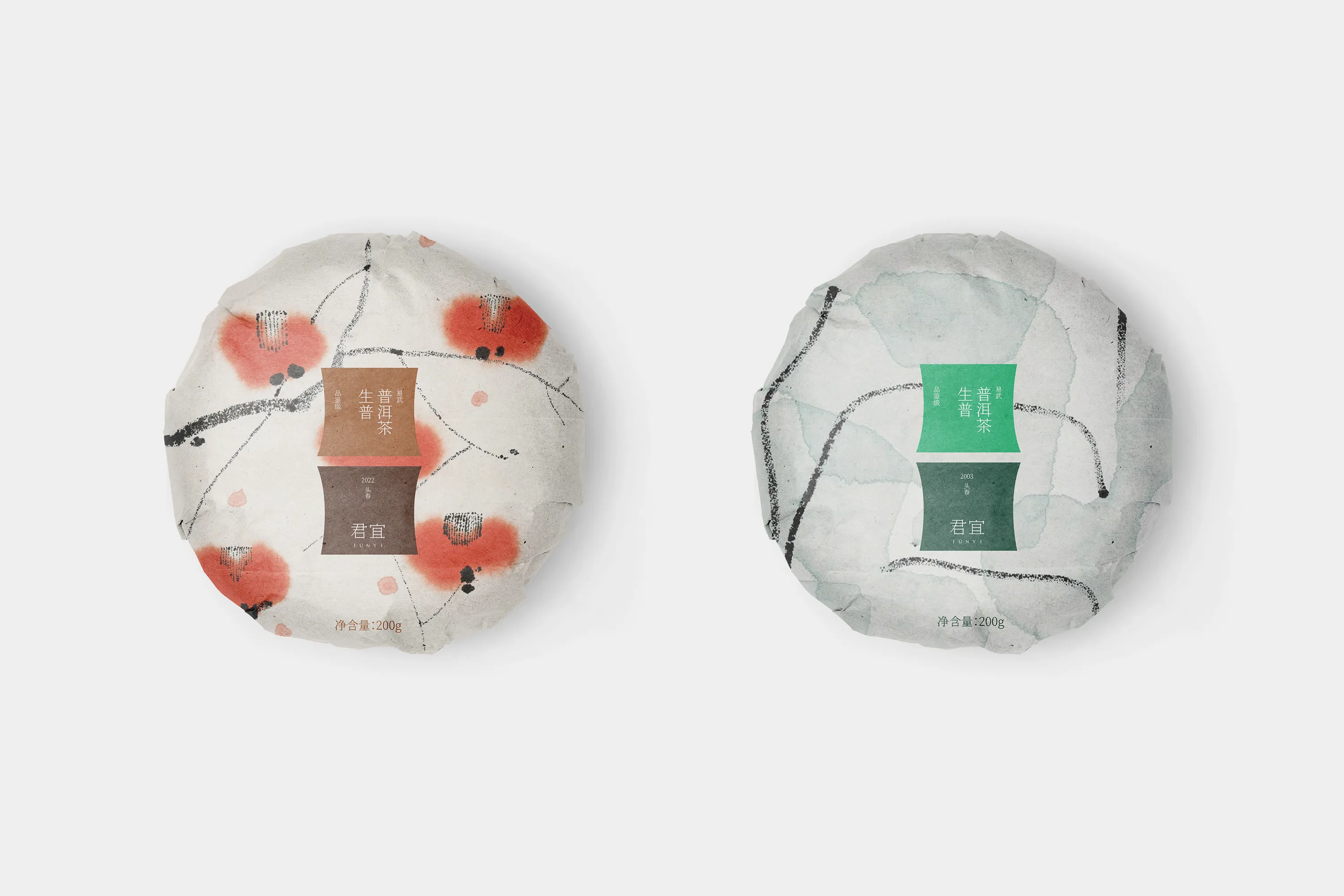
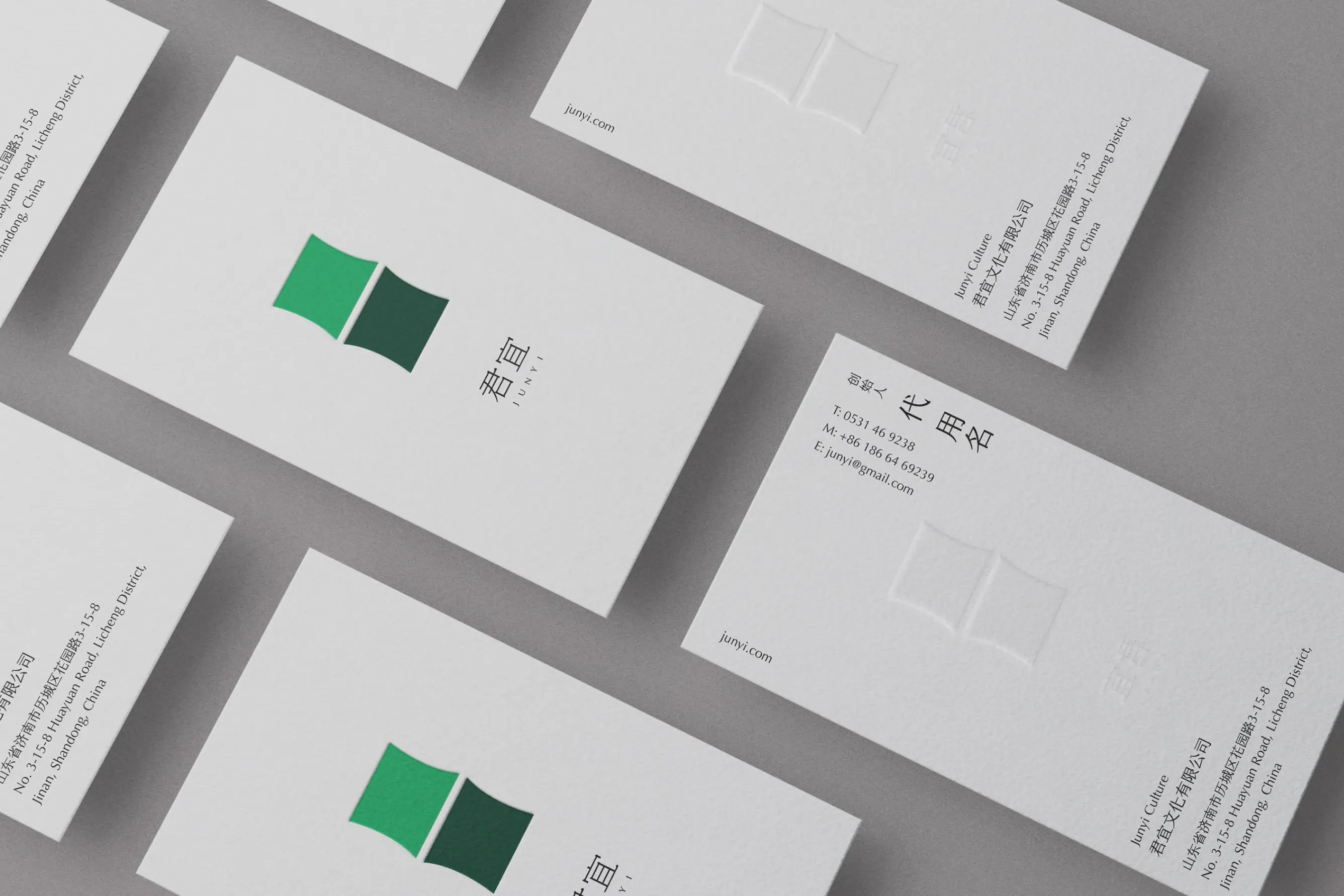
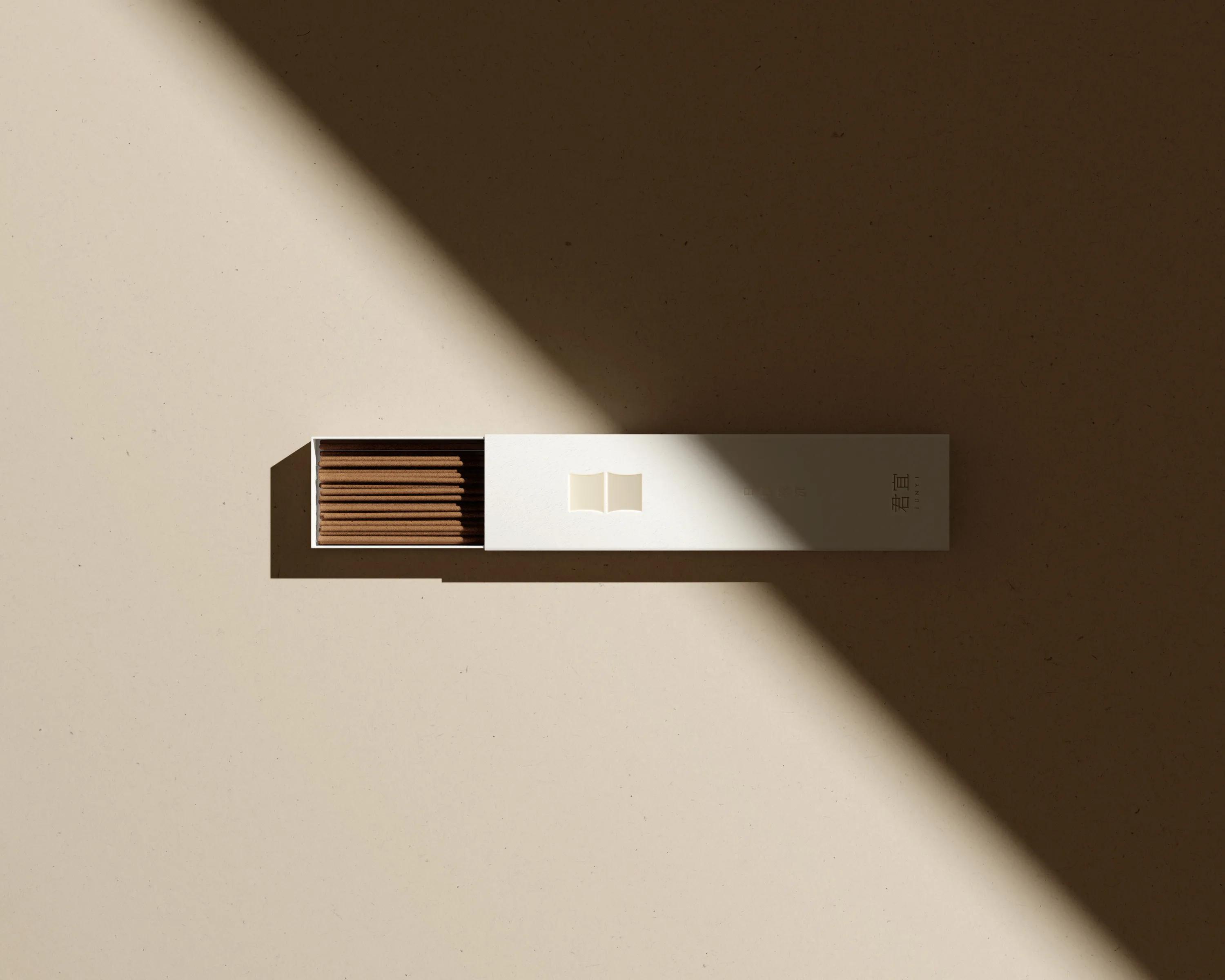
The design extends from the logo into a coherent tea packaging and retail system. Material choices, hierarchy and a refined visual rhythm help Junyi communicate provenance, gifting value and premium quality to modern tea consumers.
- Tea Brand Strategy and Identity
- Packaging Design
- Retail Brand Communication

Background
Junyi Tea is a premium Pu’er tea brand rooted in the mission of preserving and promoting Chinese tea culture. Its brand philosophy, “The Way of the Gentleman, The Elegance of Nobility,” reflects a harmony of inner virtue and external grace. Junyi seeks to offer modern tea drinkers products that embody cultural depth and refined taste. The brand aims to establish a visual identity that bridges traditional values and contemporary aesthetics, allowing consumers to appreciate the gentleman’s spirit and the elegance of tea culture in every experience.
Junyi needed to express the cultural depth of Pu’er tea without resembling a conventional heritage label. The brand strategy focused on restraint, character and the social ritual of gifting and sharing tea.
Challenge
Junyi Tea’s key challenge was to visually articulate its rich cultural ethos while presenting a style that resonates with modern, minimalist aesthetics. As a premium Pu’er tea brand inspired by traditional values, Junyi needed an identity that honors the gentleman’s spirit yet stands out in a highly competitive and homogenized tea market. RDA was tasked with creating a design where tradition and modernity, nature and sophistication coexist, delivering a brand expression that is both distinctive and emotionally engaging.
The challenge was to translate the gentleman and bamboo concepts into a visual identity with modern shelf presence. Packaging needed to feel premium while remaining coherent across products and gift formats.

Solution
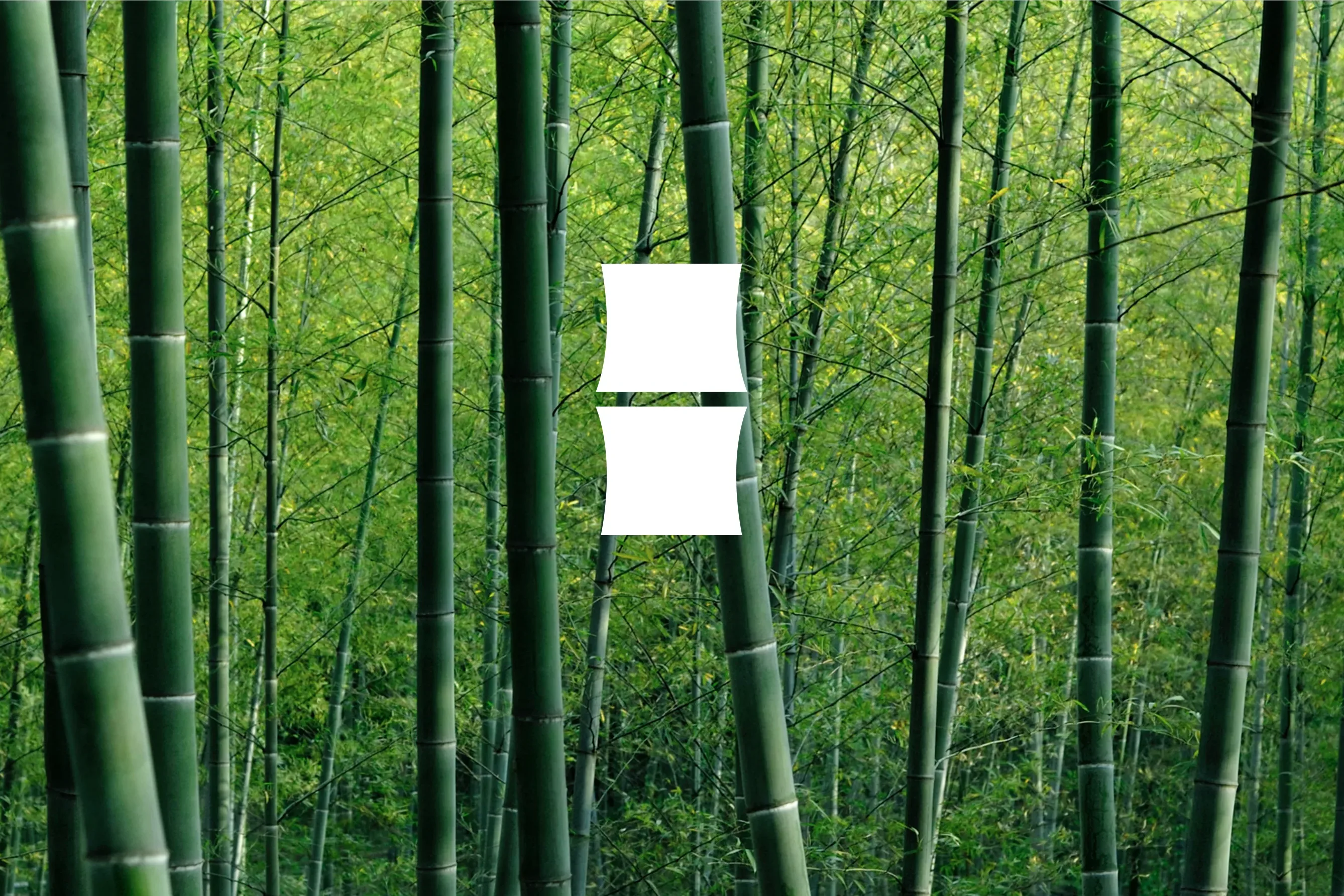
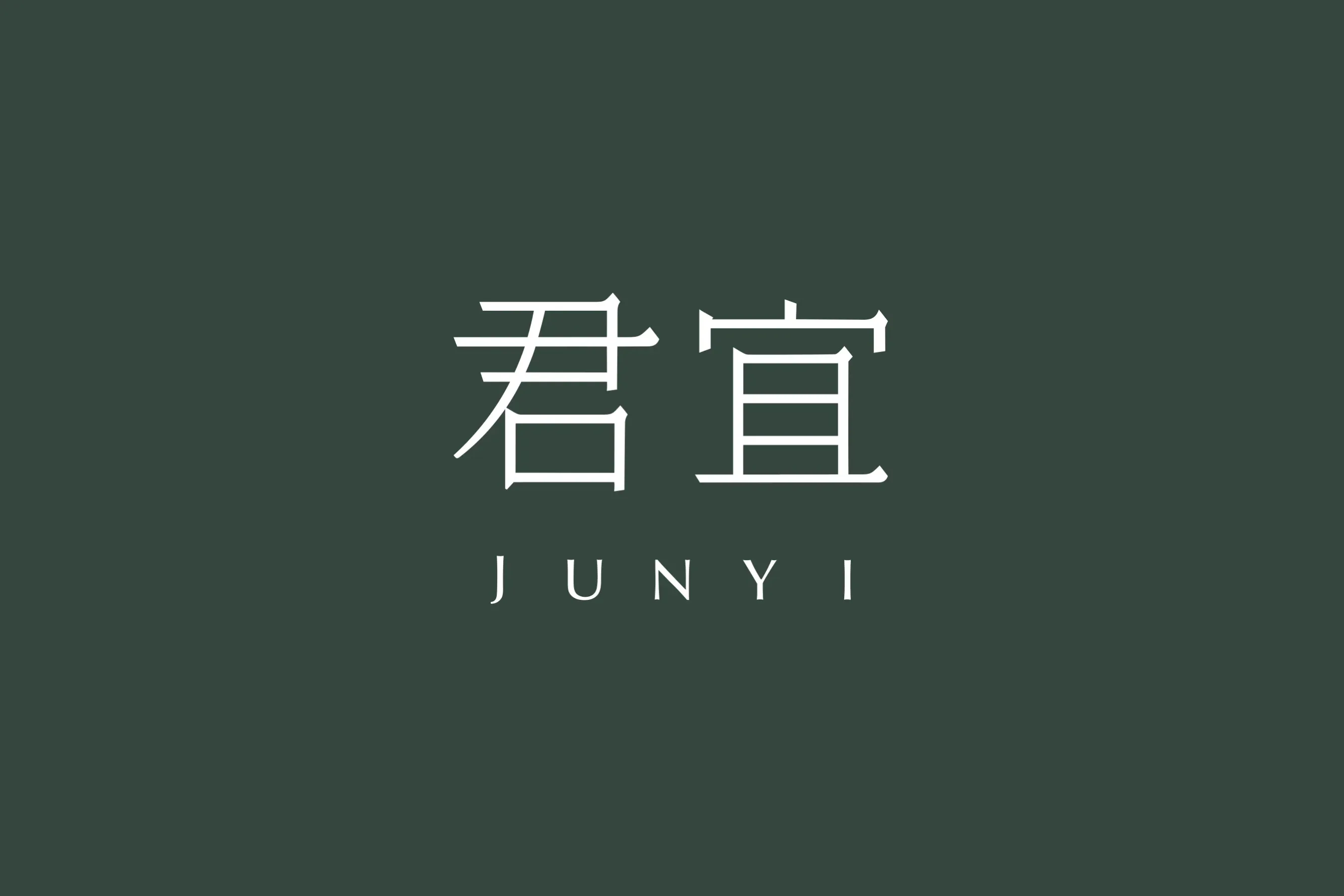
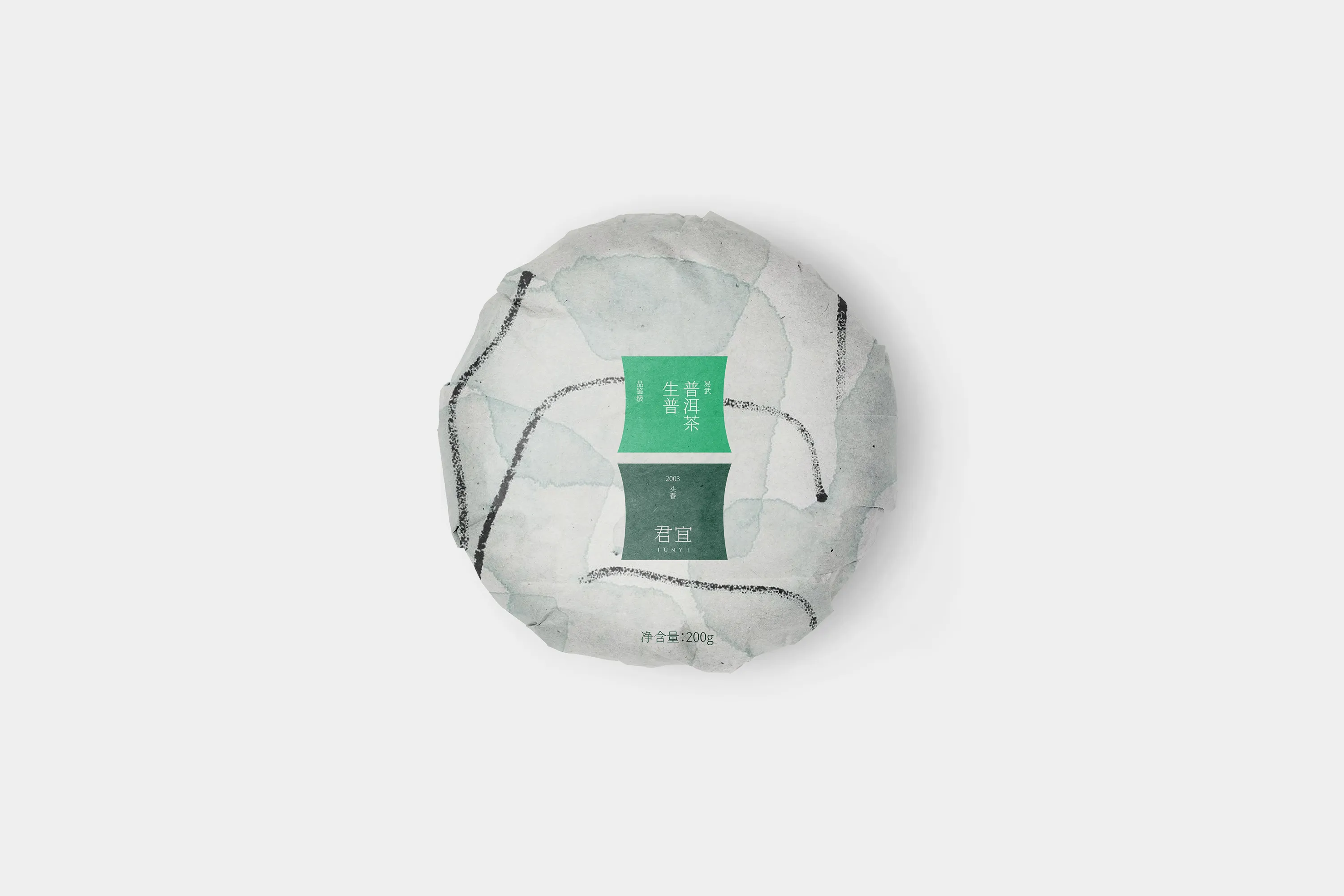
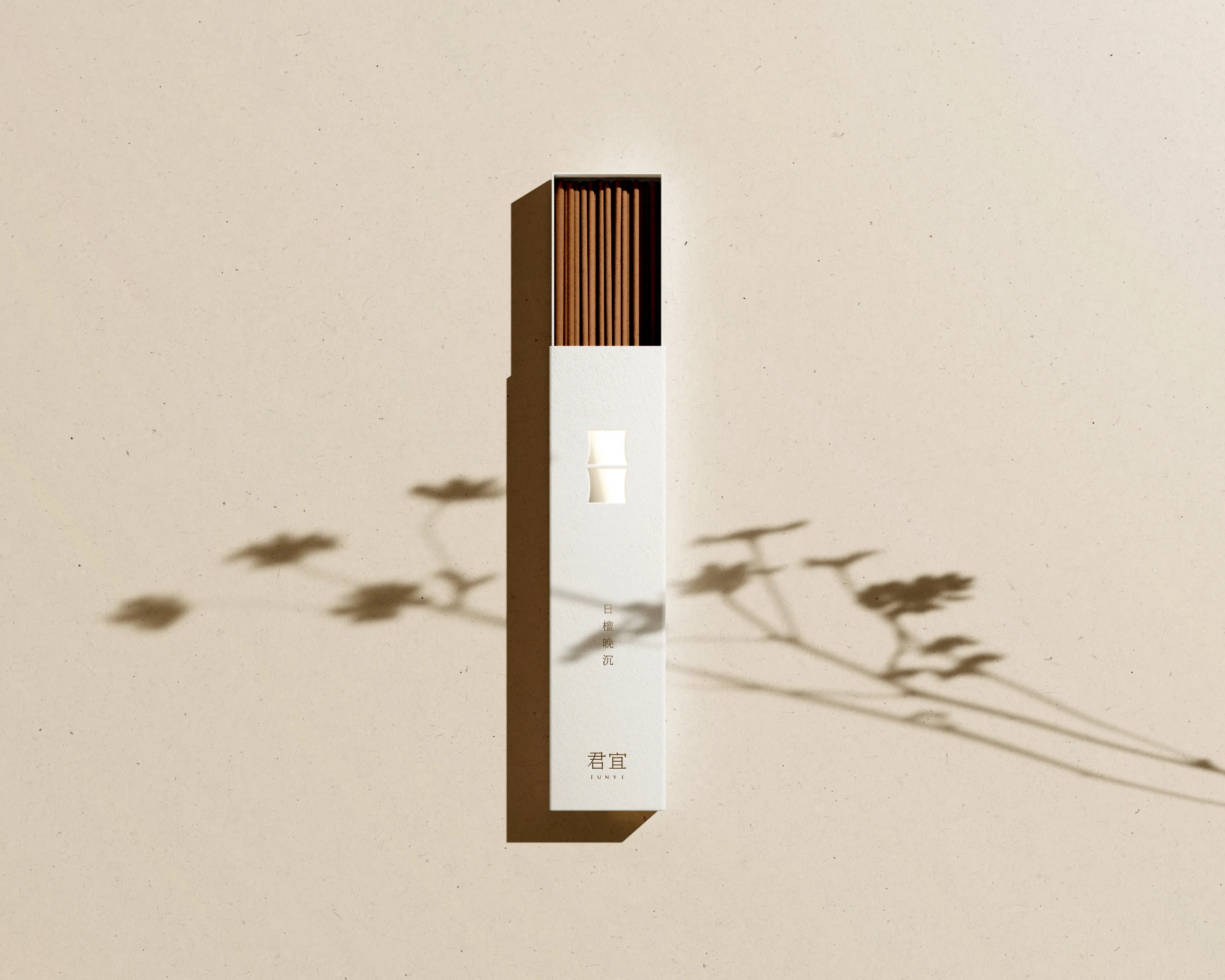
RDA drew inspiration from bamboo—one of the “Four Gentlemen” in traditional Chinese culture—to symbolize Junyi’s noble character and harmonious spirit. The logo features a minimalist, abstract bamboo form, where clean and fluid lines merge cultural heritage with contemporary design language. The overall visual identity balances natural elements and modern sophistication through thoughtful use of color and form. This solution reinforces Junyi’s philosophy of harmony and authenticity, creating a distinctive, artistic brand image that strengthens its position in the premium tea market.
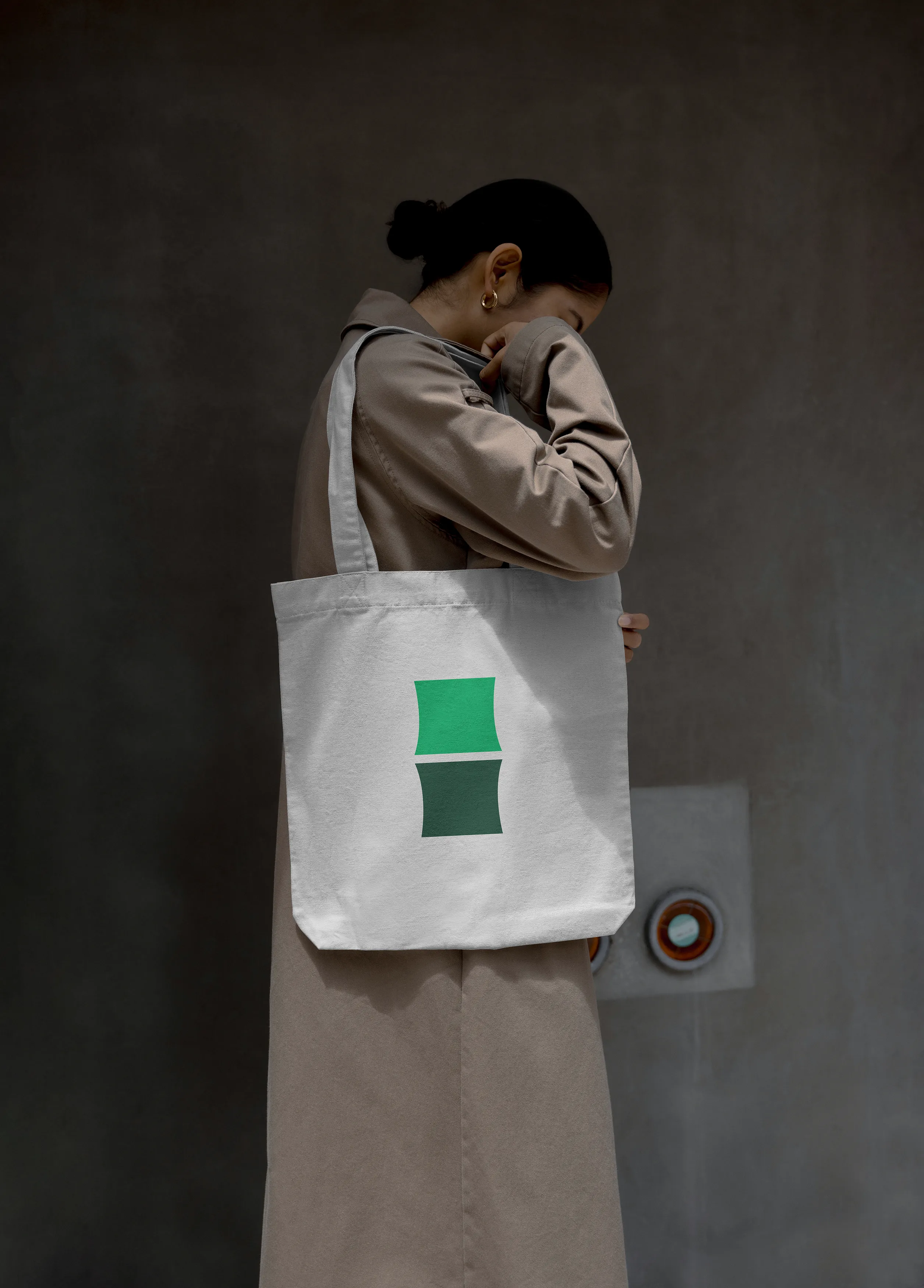
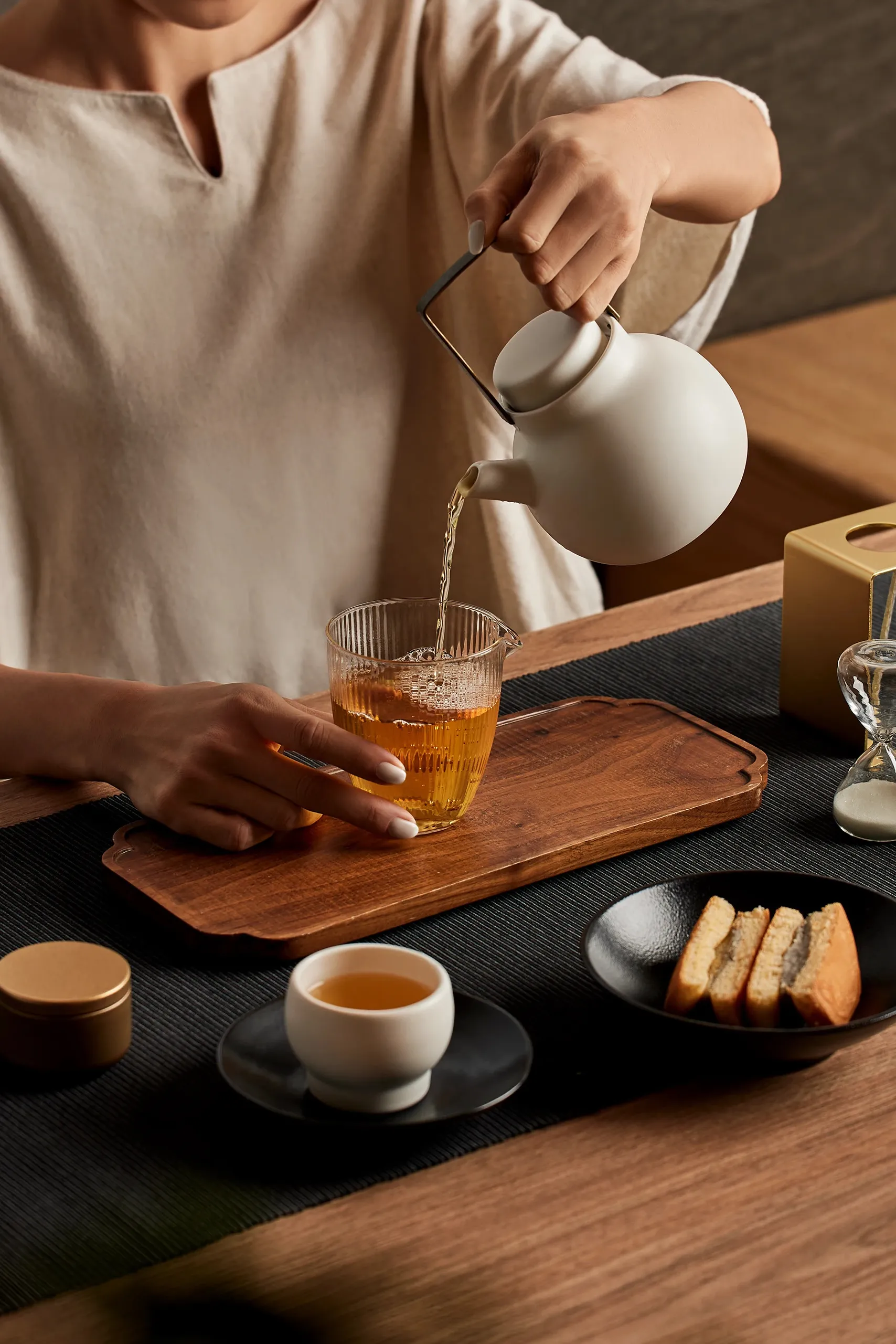
The identity combines restrained typography, cultural motifs and a refined material palette to create a contemporary expression of Pu’er tea. From gift packaging to retail communication, each element builds a coherent premium experience while retaining the depth and ritual of Chinese tea culture.
RDA helps tea and lifestyle brands translate cultural heritage into distinctive identities, packaging systems and contemporary retail experiences.